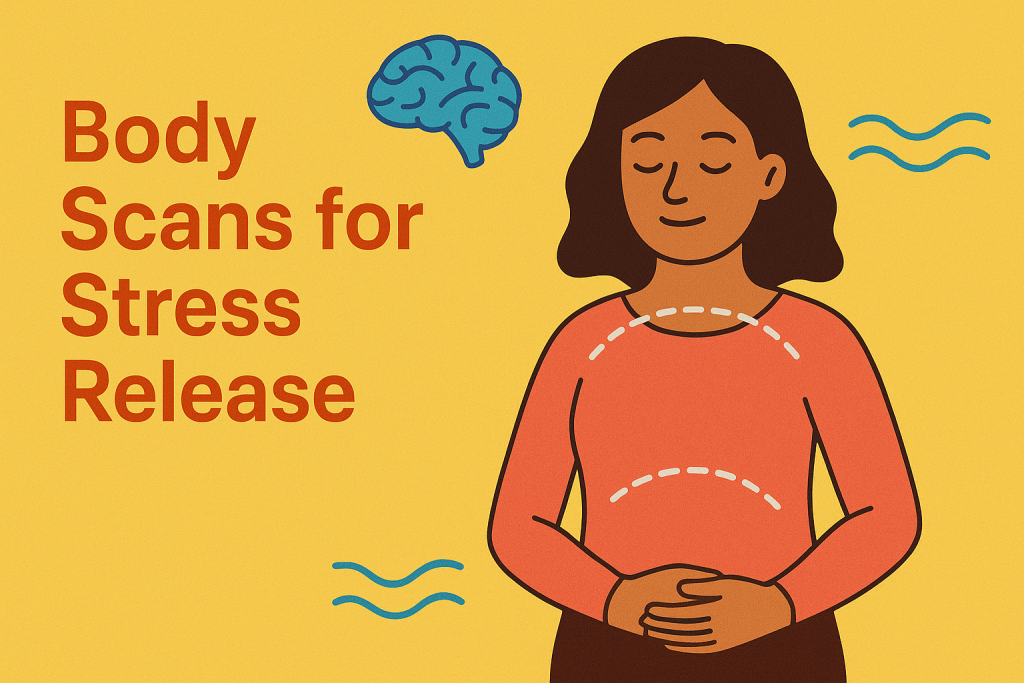
Stress is a constant part of modern life, and many people are searching for simple and effective ways to manage it. One method gaining attention is body scan meditation, a practice that helps individuals reconnect with their physical sensations and calm their nervous system. This guide explains how body scans work, why they support emotional balance, and how beginners can start practicing interoception through easy, accessible steps.
Interoception is the skill of noticing internal sensations, such as breath, tension, temperature, or discomfort. It forms the foundation of many mind-body medicine techniques because it teaches people how to listen to their bodies instead of ignoring early signs of stress. As individuals learn to recognize these signals, they can respond with healthier coping strategies rather than being overwhelmed.
What Is Interoception and Why Does It Matter?
Interoception is the internal awareness system that helps people notice what’s happening inside their bodies. For example, feeling a tight chest when anxious or noticing relaxed shoulders when calm are interoceptive experiences.
However, many people operate in “autopilot mode,” disconnected from their internal signals. This often leads to higher stress, emotional overwhelm, and physical burnout. A body scan strengthens interoception because it teaches the mind to check in with the body one area at a time, building awareness and clarity.
As individuals practice regularly, they become better at recognizing early signs of emotional strain. This awareness supports healthier choices, better self-regulation, and more reliable stress reduction techniques.
What Is a Body Scan Meditation?
A body scan meditation is a guided or self-directed practice where the individual slowly focuses attention on different areas of the body. The goal is not to change anything but to observe sensations without judgment. Because of its simplicity, it’s ideal for beginners and highly effective for daily stress release.
During a body scan, a person usually moves their awareness from head to toe or toe to head, pausing to notice sensations such as:
- Pressure
- Warmth
- Tingling
- Tightness
- Relaxation
Even five minutes of scanning can help interrupt stress patterns and reduce emotional reactivity.
How Body Scans Support Stress Release
Body scans work because they shift attention away from racing thoughts and into physical presence. This creates a grounding effect that helps people regulate their nervous system.
Here’s what happens physiologically and mentally during a body scan:
- The brain moves from threat mode to safety mode
- Muscle tension gradually releases
- Heart rate begins to slow
- Breathing becomes deeper and more natural
- Emotional overwhelm reduces
These effects make body scans one of the most reliable stress reduction techniques for people of all ages.
Body Scans in Mind Body Medicine
Body scans fall under modern mind-body medicine techniques, which blend psychological awareness with physical healing. Because stress affects both the body and mind, any technique that integrates both tends to have stronger, longer-lasting benefits.
Many therapists, coaches, and wellness practitioners introduce body scans to help clients tune in, process emotions, and break cycles of chronic stress. They are also widely used in clinical mindfulness programs, including MBSR (Mindfulness-Based Stress Reduction).
Body Scan Meditation vs Other Healing Techniques
Beginners often wonder how body scans compare to other practices like meditation vs breathwork, tapping, or Reiki. Here’s a simple breakdown to clarify their role:
- Body Scan Meditation: Focuses on internal awareness, passive observation, and emotional grounding.
- Meditation: Broader practice involving focus, awareness, and mental stillness.
- Breathwork for Healing: Uses controlled breathing patterns to calm the nervous system or release emotional tension.
- Tapping for Anxiety: Involves tapping on acupressure points to interrupt stress responses.
- Reiki for Stress: Uses energy-based techniques to promote relaxation and emotional balance.
Each method supports different aspects of healing. However, body scans pair easily with all of them because they build sensory awareness, which is the foundation of emotional regulation.
How to Do a Body Scan: A Simple Beginner Routine
To make this easy, here’s a step-by-step starter routine for performing body scans. It can be done sitting or lying down. Start by:
- Get Comfortable: Settle into a relaxed position and loosen your shoulders, allowing your breath to flow naturally.
- Start With One Deep Breath: Repeatedly exhale and inhale in a slow rhythm. This sets the tone before diving into the full scan.
- Begin at the Top or Bottom: Choose to start at your head or your feet; either direction works well for beginners.
- Scan Each Area Slowly: As you move from one part of the body to another, notice sensations like warmth, heaviness, or tightness.
- Observe Without Forcing Anything: There’s no need to change a sensation; simply allow it to be there.
- Use Gentle Curiosity: If an area feels tense, mentally note it. Awareness alone often begins the release.
- End With Three Deep Breaths: This signals to the nervous system that the practice is complete and you’re ready to shift back into daily life.
This simple practice lets you gain control of your body by consciously connecting it with the brain.
When to Practice Body Scans
Although body scans can be done anytime, some times are especially effective, such as:
- Before bed to improve sleep
- During work breaks, to reset from mental fatigue
- After emotional conflict
- Before stressful tasks
- During chronic pain flare-ups
- As part of morning grounding routines
Regular practice strengthens interoception and makes emotional balance easier throughout the day.
How Body Scans Connect to Healing Practices
Because body scans improve internal awareness, they enhance many other healing techniques. For example:
- Individuals performing breathwork for healing often breathe more effectively after a body scan.
- Those using tapping for anxiety can identify emotional triggers faster.
- People practicing Reiki for stress report deeper relaxation because their body is already primed for calm.
This synergy is why body scans are considered a core tool in holistic healing practices.
Tips for Sustaining a Consistent Practice
To keep body scans part of your regular stress management routine, consider these simple strategies:
- Start with short sessions
- Use guided audio until comfortable
- Pair body scans with breathwork
- Practice at the same time each day
- Celebrate small improvements
Creating consistency matters more than perfection.
In The End…
A body scan meditation is one of the simplest and most effective tools for stress release and emotional regulation. It enhances interoception, supports nervous system balance, and pairs beautifully with other healing methods like breathwork, Reiki, and tapping. As individuals practice consistently, they gain a clearer understanding of their internal world, which leads to calmer reactions, stronger resilience, and a more grounded daily life.
Body scans may be a beginner technique, but their impact reaches far beyond a single session. For anyone seeking reliable, accessible, and evidence-based methods to reduce stress, body scans are an ideal place to start.
You can discover more of the mindfulness practices at mindfullymalignant.com. We guide you through your personal journey, creating a pathway for your mental resilience.