Brand Image
Skip to main content

What is Breathwork?

Breathing is the one tool we always carry. When we use it intentionally, it activates the vagus nerve, lowers heart rate, and helps regulate mood. During treatment, breathwork became my reset button in waiting rooms, hospital beds, and sleepless nights.

For years, I wasn’t aware of how shallow my breathing had become. Stress had conditioned me to take quick, tight breaths that only fueled my anxiety. Through breathwork, I learned to breathe the way my body truly needs, creating a deeper mind and body connection that calms and centers the mind.

mindfullymalignant

Breathwork Cheat Sheet

Tips:

  • Breathe in through the nose, out through the mouth.
  • Keep shoulders relaxed.
  • Slow is better than deep.

The Methods that Work

  1. Box Breathing
    Inhale for 4 → Hold for 4 → Exhale for 4 → Hold for 4. Repeat.
  2. 4-7-8 Breath
    Inhale for 4 → Hold for 7 → Exhale slowly for 8.
  3. Hand-on-Heart Breathing
    Place hand over heart, inhale gently, exhale slowly. Say silently: “I am safe.”

Breathwork is simple, but it changes everything.

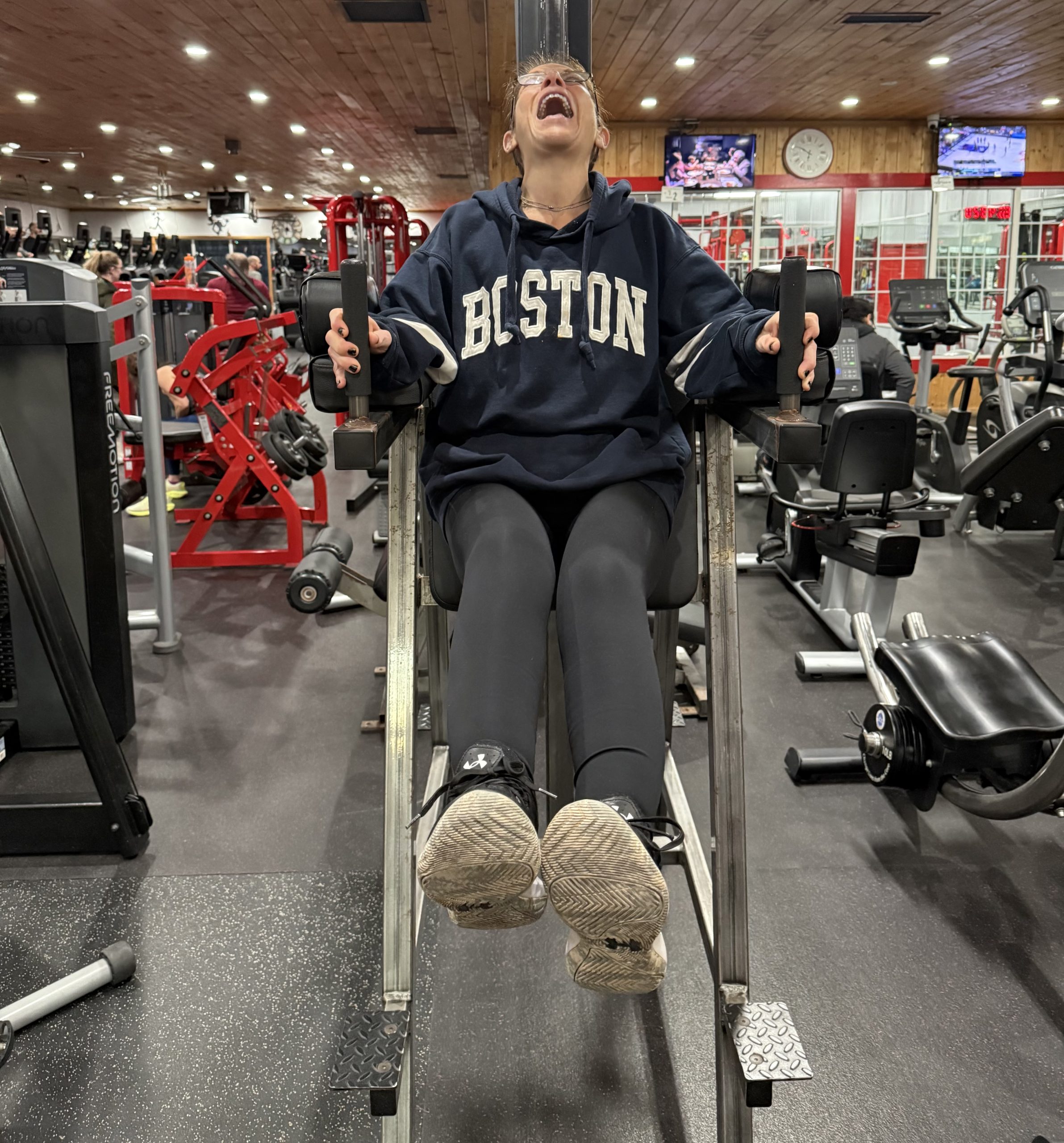
My Breath, My Strength: Pushing Through the Hardest Moments

These pictures show the truth behind the smile, these are two of the hardest abdominal stretches I do. It may look like I’m laughing, but that’s pure pain and effort. With EDS and chemo-induced osteoporosis, keeping my core strong is essential. Balance is everything for me, because even a small fall could mean needing a walker.

What got me through these stretches wasn’t strength alone, it was breathwork. I was panting and shaking, and the only way I pushed through was by coming back to my breath. Breathwork isn’t just for calming thoughts; it’s a physical tool that helps you move through pain, stay steady, and keep going when your body wants to quit. In the hardest moments, the breath is what carries you forward.

Breathwork
Quincean̈eras Sweet Sixteen Newborn